
.jpeg)
지속가능성을 위한 문화유산의 재구성: 업사이클링을 통한 전략적 비즈니스 혁신에 관한 이론적 사례 연구
1 Hankuk University
2 Daehan University
3 Minguk University
DOI: https://doi.org/10.17287/kbr.2025.29.4.49
Abstract
This study examines how a sustainable venture built on regional cultural heritage achieved business model innovation through upcycling. We present a case study of a Korean startup that transforms a traditional distillery by-product - Andong Soju lees (fermentation waste known as sul-jigemi) - into high-value food products. The case illustrates how tradition and innovation can be synergistically combined to create a new business model. We detail the startup’s multidimensional value proposition, encompassing eco-friendliness, health functionality, cultural authenticity, and social impact, as well as its circular business model that converts “waste” into marketable products. Our analysis, based on qualitative data from interviews, observations, and archival documents, reveals that leveraging an intangible cultural asset (a 700-year-old regional liquor tradition) as a resource for sustainable innovation enabled the venture to differentiate itself in emerging markets. The findings contribute to literature on business model innovation and sustainable entrepreneurship by illuminating how upcycling of cultural heritage by-products can deliver economic, environmental, and social value. We discuss implications for theory and practice, highlighting the potential of cultural heritage-based innovation in driving regional circular economies.
Ⅰ. Introduction
In the pursuit of sustainability and the circular economy, entrepreneurs increasingly turn to upcycling as a means to transform waste streams into high-value products. Upcycling—the innovative transformation of by-products or discarded materials into products of equal or higher value—has emerged as a viable strategy to reduce waste and create economic opportunities (Bocken et al., 2014). This practice aligns closely with circular economy principles, emphasizing resource longevity and value retention through closed-loop systems (Geissdoerfer et al., 2017).
However, successful implementation of upcycling typically requires more than mere technical capability; it demands innovative business models and compelling value propositions to gain market acceptance and overcome perceptual barriers (Teece, 2010). A particularly promising yet underexplored opportunity lies in combining upcycling with regional cultural heritage. Despite a growing body of research on sustainable business model innovation, few studies have examined how intangible cultural heritage can serve as an active input to circular value creation rather than merely a symbolic or narrative asset (Ha, & Koo, 2025). Prior works on heritage entrepreneurship largely focus on cultural preservation, tourism development, or aesthetic branding, often overlooking the operational mechanisms that connect heritage resources to measurable environmental and economic outcomes. Likewise, most circular economy studies emphasize industrial recycling in manufacturing contexts, neglecting small-scale, heritage-based ventures. This research addresses these gaps by empirically illustrating how a heritage-driven startup operationalized upcycling within a traditional industry, thereby bridging the conceptual divide between sustainability-oriented innovation and cultural continuity. In doing so, it shows that cultural heritage is not merely a legacy to preserve but a strategic capability shaped by regional, institutional, and cultural contexts (Bolor-Erdene, 2024).
Products embedded in local traditions and heritage carry intrinsic symbolic and cultural values that can be strategically harnessed to differentiate offerings within modern markets (Rindova & Petkova, 2007). For instance, a notable illustration is Andong Soju, a traditional distilled spirit from South Korea with a 700-year history, officially recognized as an intangible cultural asset. The production of Andong Soju generates substantial waste in the form of soju lees, a fermented mash typically discarded or repurposed as low-grade animal feed.
This study investigates how an entrepreneurial venture in Andong transformed the challenge posed by traditional distillery waste into a sustainable business opportunity through innovative business model design. Specifically, we analyze a startup that repurposed Andong Soju lees into premium, gluten-free nutritional products—most notably a high-protein energy bar—thus creating an entirely new market category from a previously overlooked resource. By explicitly framing its mission as “breathing new life into a forgotten traditional resource through modern technology and value creation,” the startup exemplifies the strategic integration of heritage authenticity and sustainability-driven innovation. This case study addresses the core research question: How can heritage-based startups effectively innovate their business models to transform waste by-products into sustainable market value?
Our study makes three key theoretical contributions. First, we enrich existing literature on business model innovation by providing an empirical illustration of innovation at the intersection of heritage and sustainability, demonstrating how simultaneous reconfiguration of a firm’s value proposition and operational processes can yield novel value networks around heritage-based upcycled products (Foss & Saebi, 2017). Second, we extend scholarship on sustainable and circular business models by elucidating how resource loop closure and value creation can be effectively realized within small entrepreneurial firms through culturally embedded innovation (Lüdeke-Freund et al., 2019). Lastly, we advance heritage-based entrepreneurship research by illustrating how traditional industries and cultural resources can serve as catalysts for regionally embedded and sustainability-oriented business model innovations, thereby generating multidimensional economic, environmental, and social benefits (Jun & Kim, 2021; Zott & Amit, 2010).
Ⅱ. Literature Review
2.1 Business Model Innovation and the Circular Economy
Business model innovation (BMI) refers to fundamental shifts in how firms create, deliver, and capture value, involving significant changes in value propositions and operations (Foss & Saebi, 2017). Unlike incremental product innovations, BMI often entails reconfiguring resources and value chains, potentially yielding durable competitive advantages (Zott & Amit, 2010). Recently, sustainable BMI has emphasized the creation of environmental and social value alongside economic benefits (Bocken et al., 2014). The concept of the circular economy is central to sustainable BMI, advocating resource longevity and closed-loop systems, as opposed to the linear “take-make-dispose” model (Geissdoerfer et al., 2017). Circular business models, including recycling and upcycling, emphasize treating waste as a resource, thus reducing environmental footprints and material costs (Lüdeke-Freund et al., 2019).
Upcycling—the process of converting waste into products of equal or higher value—is particularly relevant to circular innovation. Unlike recycling, which often leads to quality degradation, upcycling retains or enhances material quality, aiming for functional, economic, and environmental improvements (Sung et al., 2018). However, successful upcycling requires not only technical capability but also innovative business models aligned with consumer demands (Singh et al., 2020). Despite growing interest in upcycling, few studies have explored business models that combine upcycling with cultural heritage, which could offer unique consumer value but also pose distinct challenges.
Andong Soju, a traditional distilled spirit, generates large quantities of lees (sul-jigemi),which have typically been underutilized despite their functional value. In contrast, sake breweries in Japan have long capitalized on the high protein and fiber content of sake lees (sake kasu), upcycling them into diverse consumer products, such as rice crackers, facial masks, and cosmetics (Kumar et al., 2021). These successful cases demonstrate how traditional by-products can be commercially repositioned through strategic product development and market education. This contrast highlights the untapped potential of soju lees and the importance of business model innovation in heritage-based ventures.
2.2 Cultural Heritage and Sustainable Entrepreneurship
Cultural heritage-based entrepreneurship refers to new ventures that strategically leverage traditional knowledge, practices, and regional cultural resources to create innovative and contemporary market offerings (Bhattacharya & Dutta, 2022). Examples include businesses revitalizing traditional crafts, local food specialties, and historical production techniques, adapted to modern consumer preferences. A core strength of these ventures is their ability to embed authenticity and cultural uniqueness within their value propositions, effectively differentiating their products and enhancing consumer appeal through narrative storytelling and perceived cultural value (Rindova et al., 2011).
However, heritage-based enterprises face inherent challenges in maintaining relevance and competitiveness beyond mere nostalgia. Thus, achieving a delicate balance between preserving tradition and embracing innovation becomes critical (Shepherd & Patzelt, 2011). This challenge intensifies when cultural heritage entrepreneurship intersects with sustainability and circular economy principles. In many regions, heritage practices such as traditional agriculture or fermentation processes often generate by-products historically regarded as waste but possess substantial potential for sustainable innovation and value addition (Singh et al., 2020). By upcycling these by-products, entrepreneurs can develop businesses that simultaneously preserve cultural heritage, create sustainable environmental practices, and contribute significantly to the circular economy (Geissdoerfer et al., 2017).
Such heritage-based sustainable ventures often align with broader social enterprise objectives, generating multidimensional value by supporting local economies, providing employment opportunities, and enhancing cultural pride and continuity. Economic benefits for businesses and local regions, combined with environmental gains from waste reduction and enhanced community engagement, underline the substantial transformative potential of integrating cultural heritage within circular economy frameworks (Ghisellini et al., 2016).
Nevertheless, several critical barriers remain. Particularly in global markets, consumers may lack familiarity with the local cultural context and its intrinsic value, necessitating effective communication strategies that clearly articulate the heritage-based narrative and its distinctive benefits (Chatzidakis et al., 2016). Additionally, traditional materials or production methods often require technological enhancements to meet contemporary standards related to safety, quality, and efficiency. Consequently, heritage entrepreneurs must continuously innovate their business models, ensuring their offerings fulfill modern consumer expectations while preserving their authentic cultural identity. However, there is still a lack of in-depth empirical accounts detailing how heritage ventures re-design their business models to surmount such barriers, especially in food upcycling contexts where cultural symbolism and material functionality must be carefully balanced (Foss & Saebi, 2017).
Synthesizing the theoretical intersections of business model innovation, circular economy, and heritage entrepreneurship, this study proposes an integrative framework termed Cultural Heritage-Based BMI. This framework explicitly positions heritage resources as strategic inputs rather than mere symbolic elements, outlining clear pathways through which cultural heritage resources are reconfigured into sustainable consumer value. Thus, this integration provides a robust theoretical lens, distinctly differentiating our study from prior research.
Unlike prior studies that have examined heritage entrepreneurship mainly through the lenses of cultural preservation or symbolic value creation, this research emphasizes the strategic transformation of intangible cultural assets into functional, market-oriented resources. Moreover, while most circular economy research has focused on large manufacturing firms or industrial-scale recycling (e.g., Geissdoerfer et al., 2017), this study extends the discussion to small heritage-based ventures that operate under resource constraints yet achieve sustainability through business model innovation. By integrating these two underexplored streams—heritage entrepreneurship and circular business model innovation—our work contributes a distinct theoretical synthesis, demonstrating how cultural heritage can be operationalized as a strategic capability rather than a passive tradition.
Ⅲ. Methodology
3.1 Research Design
To investigate our research question, we employed a qualitative single-case study methodology. A single-case design is particularly appropriate for in-depth exploration of contemporary phenomena within real-life contexts, especially when the boundaries between the phenomenon and its context are unclear (Yin, 2014). Our selected case—a startup (pseudonymized as “HeritageUp”) established in the mid-2020s in Andong, South Korea—provides a revelatory example of how cultural heritage and sustainability can be combined to drive innovative business models. The unit of analysis is the startup’s approach to upcycling Andong Soju lees into novel food products, demonstrating a unique integration of traditional heritage with sustainable entrepreneurship.
Multiple data sources were leveraged to enhance reliability through data triangulation (Eisenhardt & Graebner, 2007). Primary data included semi-structured interviews conducted over six months. We conducted three in-depth interviews (each lasting approximately 1–2 hours) with HeritageUp’s founder and CEO, focusing on the company’s origin, business model development, encountered challenges, and strategic decisions. Additional interviews were conducted with two employees specializing in product development and marketing, and a key external partner supplying traditional distillery by-products. All interviews were recorded, fully transcribed, and cross-checked with participants to ensure accuracy.
Secondary data comprised internal company documents (e.g., business plans, pitch decks, R&D reports, and patent drafts), field observations during visits to the Andong soju distillery and processing facility, and publicly available materials such as news articles, press releases, and regional government reports on the industry and sustainability initiatives. For instance, technical documentation on the nutritional analyses of the lees and pilot production tests provided vital quantitative context—such as annual by-product volumes of approximately 70 tons, most of which had previously been discarded. These sources enabled a robust understanding of the startup’s strategic and operational decisions.
Data analysis followed an inductive, iterative approach, consistent with established qualitative case study practices (Gioia et al., 2013). Interview transcripts and documentation underwent thematic coding to identify patterns related to key elements of the business model innovation process. To enhance the robustness and reliability of our findings, intercoder reliability checks were performed, yielding a high Cohen’s kappa value ($\kappa=0.87$), which confirms strong agreement and consistency in our qualitative data analysis.
3.2 Data Analysis
We first applied open and axial coding to develop a systematic data structure. Interview transcripts and supplementary documents were systematically coded to identify core themes and categories. These were mapped onto key business model dimensions, including value propositions, key resources, partnerships, customer segments, and revenue streams, as well as emerging concepts such as heritage narratives, sustainability motives, technological innovation, and market education. To ensure analytical rigor and reliability, two researchers independently conducted the coding process,followed by structured meetings to discuss discrepancies and achieve consensus on interpretations (Gioia et al., 2013). Moreover, we conducted participant validation (member checks) by sharing a detailed draft of our case narrative with the HeritageUp founder, soliciting feedback and clarification to confirm accuracy and authenticity (Lincoln & Guba, 1985).
Next, we traced the chronological evolution of the startup’s strategic decisions. Following Langley’s (1999) process model approach, we created a narrative timeline capturing how decisions unfolded across different phases, including product development, resource acquisition, and partnership formation. This enabled us to contextualize emergent themes within their temporal sequences and identify pivotal inflection points in the venture’s evolution.
Finally, we synthesized our findings through visual modeling to represent business model transformation. We adapted Osterwalder and Pigneur’s (2010) Business Model Canvas by explicitly incorporating circular economy elements such as waste-to-resource flows and ecosystem partnerships. We also distilled the venture’s value propositions into four categories—environmental, functional, cultural, and social—aligned with “multiple value creation” frameworks (Bocken et al., 2014). These visuals served as integrative tools to illustrate the holistic nature of HeritageUp’s innovation strategy.
Therefore, our analysis followed an abductive logic, systematically comparing emergent themes and insights from our case study against existing theoretical frameworks in business model innovation, circular economy, and heritage entrepreneurship. This iterative dialogue between theory and data was critical in sharpening the study’s theoretical contributions and grounding our findings firmly within current scholarly discussions (Gioia et al., 2013). To ensure methodological rigor, we employed systematic thematic coding procedures complemented by intercoder reliability checks. Two researchers independently coded all primary data, and any discrepancies were resolved through iterative discussions. Intercoder reliability was strong, with a Cohen’s kappa coefficient of 0.87, indicating high consistency and trustworthiness in the qualitative analysis. Also, the result of our analytical process is a comprehensive, contextualized narrative and structured framework that clearly demonstrates how HeritageUp’s innovative business model emerged, evolved, and created multi-dimensional value from the integration of cultural heritage resources and sustainability principles.
Ⅳ. Findings
4.1 Transforming Cultural Heritage Waste into a Business Opportunity
Andong, a city renowned as the “Capital of Korean Spirit,” is famed for its traditional distilled liquor, Andong Soju. This traditional rice-based spirit, designated as an intangible cultural property, generates substantial amounts of fermentation residue known as soju lees (sul-jigemi), a nutrient-rich by-product historically discarded as waste or used as low-quality feed. This abundant material comprises approximately 29% protein (dry-weight basis), dietary fiber, and fermentation-derived compounds.
The startup, HeritageUp, recognized parallels between Andong’s soju lees and Japan’s sake kasu, a similarly nutritious by-product successfully repurposed into food and cosmetic products. The founder articulated: “Observing truckloads of valuable lees discarded at distilleries inspired me—this wasn’t waste, but a valuable source of protein and fiber.” Yet, significant technical and perceptual barriers existed. Fresh soju lees spoil rapidly due to their moisture content (approximately 80%), possess unappealing odors, and had never previously been used for human food products in Korea (Koo, et al., 2025), highlighting the urgent need for innovative processing methods and consumer education strategies to transform this overlooked resource into a trusted, high-value ingredient.
To overcome these challenges, HeritageUp established a strategic partnership with a nationally recognized master brewer, securing consistent and culturally authentic supplies of fresh soju lees. The startup then developed a proprietary process involving hygienic collection, freeze-drying, fine milling, and mild roasting. Freeze-drying (i.e., lyophilization) was particularly crucial, preserving heat-sensitive nutrients far more effectively than conventional methods (Singh et al., 2020). Subsequent mild roasting significantly improved sensory attributes, eliminating off-flavors and resulting in a neutral-tasting, high-quality gluten-free powder ideal for food applications (see
Table 1 Manufacturing Process & Business Significance
| Step | Process | Details & Business Significance | |
|---|---|---|---|
| 1. Hygienic Collection & Pre-treatment | Collection of Fresh Lees | Master brewer partnership ensures immediate, hygienic collection of Andong Soju lees directly at the distillery. The wet rice-fermentation mash is gathered and pre-treated (cleaning and initial draining) to prevent spoilage. This secures a consistent supply of high-quality raw material while solving the brewery’s waste disposal issue, a win-win arrangement. It also preserves the cultural authenticity of the ingredient source, adding a compelling heritage story and trust factor to the business. | |
| 2. Efficient Dehydration | Moisture Reduction | The fresh lees ($\sim 80\%$ moisture) undergo rapid dehydration (e.g., pressing or filtering) to remove excess water. By quickly lowering the moisture content (to $\sim 50-60\%$), microbial growth is suppressed and shelf-life is extended. This step minimizes spoilage at the source and reduces energy cost for the next drying phase, improving overall process efficiency and reliability of supply. | |
| 3. Low-Temperature Freeze-Drying | Lyophilization | The partially dewatered lees are frozen and placed in a vacuum freeze-dryer, where remaining water is removed via sublimation. This gentle drying at low temperature preserves heat-sensitive nutrients (e.g., proteins, vitamins, aromatic compounds) almost intact. The result is a shelf-stable dried lees material highly concentrated in nutrients – e.g., $\sim 44.6\%$ protein and $6.7\%$ fiber (dryweight basis) in the powder form – higher protein by weight than even chicken breast. By retaining maximum nutrition, this step creates a value-added base for new products and extends the by-product’s usable life without quality loss. | |
| 4. Fine Milling & Low-Heat Roasting | Grinding and Roasting | The brittle freeze-dried lees are milled into a fine, uniform powder. A mild low-temperature roasting is then applied to eliminate off-flavors (the sour, bitter notes of raw lees) and impart a light toasty aroma. This secondary processing significantly improves the sensory profile, removing the unpleasant “aftertaste” of lees and making the ingredient neutral and versatile. The resulting fine powder is naturally gluten-free (rice-based) – a clear advantage over spent barley grain flours – and remains high in protein and fiber. These qualities expand its market appeal as a premium, functional ingredient for foods (e.g., energy bars, gluten-free baked goods), directly tapping into health-food and specialty diet markets. | |
| 5. Sterilization & Quality Inspection | Safety and Quality Check | The lees powder is sterilized (e.g., brief heat, UV, or equivalent step) to eliminate any remaining microbes, ensuring it meets food safety standards. Each batch undergoes quality testing for consistent nutrient content and purity. This step builds trust and compliance: a standardized process from start to finish yields uniform, safe, high-quality powder. By guaranteeing safety and consistency, HeritageUp enhances its ingredient’s credibility for use in consumer products and secures partnerships with B2B clients (e.g., food manufacturers). | |
| 6. Standardized Packaging & Utilization | Packaging and Product Integration | Finally, the powder is packaged in standardized units (e.g., vacuum-sealed bags or bulk containers) for distribution, or immediately used to formulate consumer products (such as HeritageUp’s high-protein, gluten-free energy bar). Standardized packaging maintains quality during storage and transport, and enables efficient scaling and distribution. By converting what was once “distillery waste” into a marketable product, this step unlocks new revenue streams. The nutrient-rich powder becomes the foundation of premium functional foods, exemplifying how upcycling can create profitable products from cultural heritage, while differentiating the brand with a sustainability and tradition narrative. | 〈Table 2〉 Business Opportunity and Upcycling Innovations |
By mid-2025, HeritageUp had successfully developed a scalable processing method that produced a consistent, food-grade lees powder, validated through pilot-scale trials. This powder became the core ingredient of a premium energy bar, representing a compelling fusion of cultural heritage, technological innovation, and sustainable entrepreneurship (Ha, Jung, & Koo, 2025; Jun & Kim, 2023).
4.2 Value Proposition Innovation: Merging Health, Heritage, and Sustainability
HeritageUp recognized that merely possessing an innovative ingredient—upcycled Andong Soju lees—would be insufficient to establish market success. Instead, the firm strategically constructed a compelling, multidimensional value proposition to resonate deeply with consumers, investors, and stakeholders, addressing inherent consumer skepticism toward products derived from waste. Through extensive market research and iterative refinement, HeritageUp articulated its value proposition around four core, integrated dimensions: environmental sustainability, health and nutritional functionality, cultural heritage authenticity, and regional social impact.
〈Figure 1〉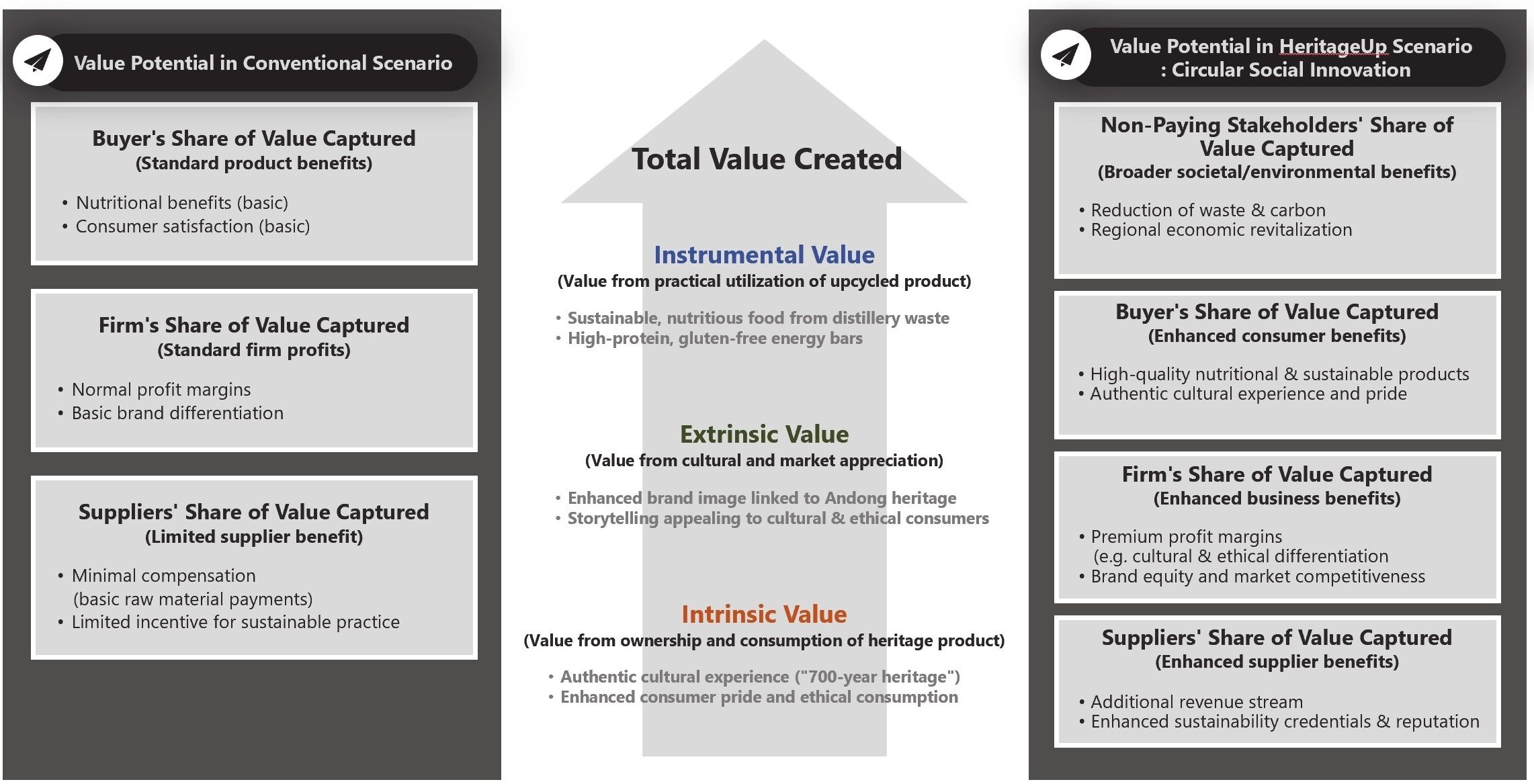
〈Figure 2〉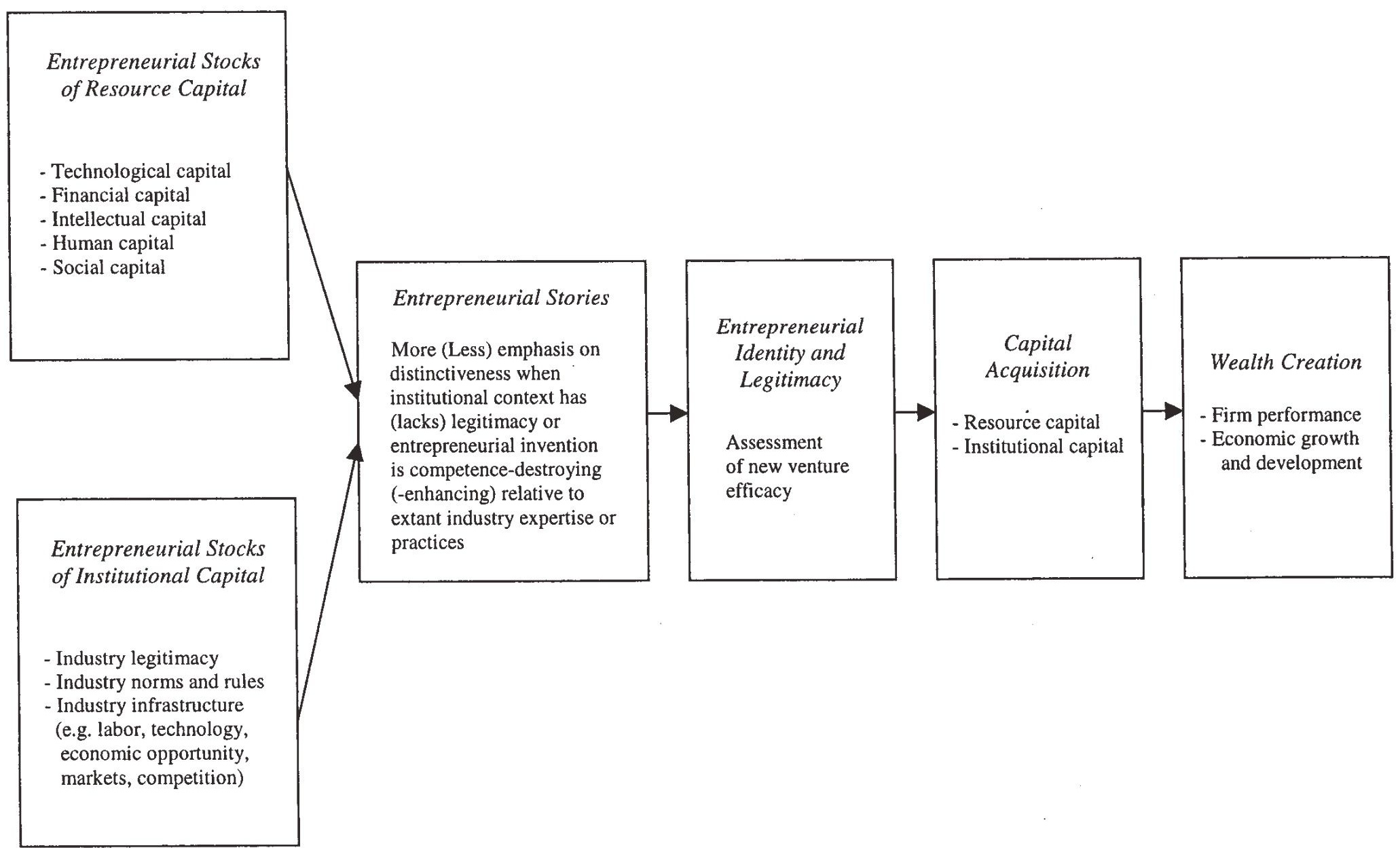
First, eco-friendliness lies in enabling consumers to actively participate in waste reduction and carbon footprint minimization, thereby fostering conscious, value-driven consumption (Bocken et al., 2014). Second, health functionality is embodied in the product’s high protein and dietary fiber content, combined with its gluten-free formulation, which aligns with growing demand for health-conscious and convenient snack options—particularly among fitness enthusiasts and individuals managing dietary restrictions. Third, cultural authenticity is reflected in each product’s connection to the 700-year-old Andong distilling tradition. By embedding storytelling and symbolic references to traditional Korean wellness (hanbang), the brand appeals both to domestic consumers seeking cultural continuity and to international audiences attracted to authentic Korean experiences (Rindova et al., 2011). Finally, the social and regional impact is realized through local economic development, inclusive employment, and regional revitalization, as the startup collaborates with local breweries, universities, and public institutions. This socially embedded approach aligns HeritageUp with broader social entrepreneurship ideals and enhances its ethical resonance with consumers and regional stakeholders (Shepherd & Patzelt, 2011; Hwang, et al., 2019).
HeritageUp’s environmental and functional values are empirically supported by rigorous nutritional analyses demonstrating approximately 12 grams of protein per 50-gram bar and high dietary fiber levels, alongside fermentation-derived amino acids and antioxidants (Singh et al., 2020). Sensory trials confirmed the product’s palatability, addressing initial taste-related concerns associated with upcycled ingredients, thereby ensuring that sustainability benefits align seamlessly with consumer preferences. Furthermore, the start-up actively employs heritage narratives, strategically embedding traditional motifs, local calligraphy, and cultural symbolism in its packaging and marketing to solidify authenticity and premium positioning.
In sum, HeritageUp’s carefully articulated, multidimensional value proposition—integrating sustainability, health, cultural heritage, and social impact—offers a robust competitive advantage by satisfying diverse consumer demands and stakeholder expectations. This integrated approach highlights a viable model for other heritage-based enterprises aiming to transform traditional cultural resources into innovative, sustainable business opportunities.
4.3 Business Model Configuration and Innovation
HeritageUp’s innovative business model strategically connects cultural heritage resources, modern sustainability principles, and contemporary consumer demands into a cohesive system. Central to HeritageUp’s strategy was securing consistent access to Andong Soju lees, a previously discarded fermentation residue with substantial nutritional value. This was achieved through a pivotal partnership with a renowned local distillery managed by a nationally recognized master brewer. This collaboration provided HeritageUp with reliable raw material and crucial cultural authenticity, reinforcing the brand’s narrative legitimacy (Rindova et al., 2011). By converting distillery waste into a shared resource, the partnership simultaneously addressed environmental concerns and provided mutual economic and reputational benefits.
Key to HeritageUp’s business model innovation was its proprietary processing technology—particularly freeze-drying, fine milling, and mild roasting processes. Freeze-drying, or lyophilization, was essential for effectively preserving heat-sensitive nutrients such as proteins, vitamins, bioactive compounds, and antioxidants, significantly enhancing the nutritional profile and shelf-life stability of the lees powder (Singh et al., 2020). Mild roasting further improved sensory quality by effectively neutralizing residual bitterness and off-flavors, resulting in a gluten-free, nutrient-dense, and consumer-friendly product. HeritageUp secured patent protections for these innovative processes and formulations, providing the company with critical competitive advantages.
Building upon the four-dimensional value proposition previously illustrated in Figure 2, HeritageUp advanced its operational model by establishing strong partnerships and scalable systems. The venture secured exclusive supply agreements with a regional distillery and implemented strict hygiene and traceability protocols to standardize inputs. To protect its formulation and extraction process, the firm filed a provisional patent and began developing proprietary freeze-drying and blending techniques tailored to high-protein functional foods. Distribution initially focused on regional premium grocery retailers and health-conscious online marketplaces, leveraging the “heritage meets health” narrative to differentiate from existing protein snack brands (Geissdoerfer et al., 2017; Ghisellini et al., 2016).
The health and functional dimension of the value proposition highlights the nutritional superiority of HeritageUp’s products, particularly their high protein and dietary fiber content, validated by rigorous lab analyses (Kumar et al., 2021). These products are gluten-free and free of artificial additives, thus appealing strongly to health-conscious consumers, individuals with dietary restrictions, and fitness enthusiasts. Multiple rounds of sensory evaluations confirmed consumer acceptance and optimized product palatability—crucial steps that helped overcome the initial skepticism surrounding upcycled ingredients. Early consumers described the product as more digestible and appealing than conventional protein bars, providing further validation of the startup’s functional claims.
Heritage authenticity constitutes another core pillar, embedding profound cultural narratives within the product offering. By explicitly linking products to Andong’s 700-year-old distilling heritage, HeritageUp established a differentiated and compelling narrative, appealing particularly to tourists, cultural enthusiasts, and consumers interested in authentic Korean traditions. The startup strategically incorporated traditional Korean motifs and the master brewer’s calligraphy in packaging, effectively reinforcing the product’s cultural authenticity and uniqueness (Rindova et al., 2011). This heritage dimension allowed HeritageUp’s products to stand out clearly in competitive health-food markets, justifying premium positioning through an “authenticity halo.”
The social dimension was equally vital. HeritageUp emphasized regional economic development, job creation, and community revitalization by partnering closely with local distilleries, universities, public agencies, and local suppliers. These partnerships facilitated knowledge exchange, joint product development, and inclusive hiring practices—strategies aligned with contemporary models of social entrepreneurship and regional innovation (Shepherd & Patzelt, 2011). HeritageUp’s business plan explicitly outlined a vision for inclusive employment opportunities, such as involving senior artisans and creating employment pathways for traditionally underrepresented groups. By highlighting these tangible social impacts, the startup attracted strong support from the Ministry of SMEs and Startups (MSS), thereby reinforcing its institutional legitimacy and market credibility (see
Table 2 Business Opportunity and Upcycling Innovations
| Step | Details & Business Significance |
|---|---|
| Environmental Sustainability | Redirects a fermented waste by-product into the food chain, reducing food waste and disposal costs. This contributes to a circular economy and a more sustainable environmental system. (HeritageUp's process prevents tons of lees from going to landfills, aligning with ESG goals.) |
| Consumer Wellness & Demand | Produces a high-protein, high-fiber, gluten-free ingredient that meets modern consumers' health and diet preferences. The convenience of a ready-to-use powder and its authentic local origin (Andong) appeal to health-conscious and ethical consumers seeking functional, plant-based proteins and unique flavors. |
| Heritage Industry Revitalization | Adds value to the traditional soju industry by solving the by-product problem and creating a novel revenue source for local breweries. This innovation improves the sustainability of the craft spirit industry and fosters co-growth – the distillery gains a new income stream and waste solution, while the startup gains a signature ingredient. By leveraging intangible cultural heritage (Andong Soju's legacy), the business also differentiates itself in the market with a compelling story, potentially boosting cultural tourism and regional pride. |
HeritageUp strategically diversified its market channels, effectively reaching multiple consumer segments. Initial direct-to-consumer online sales through e-commerce sites and crowdfunding platforms validated consumer demand and allowed for rich storytelling. Products were also placed in premium grocery stores, local specialty markets, and tourism-related outlets such as the Andong Soju & Traditional Food Museum. Additionally, HeritageUp explored substantial B2B opportunities, supplying lees powder as a high-quality ingredient to other manufacturers in food and cosmetics sectors. An emerging market included supplying pet food companies seeking eco-friendly, high-protein formulations. The hybrid revenue model—including direct product sales, B2B ingredient supply, and co-branding arrangements with traditional breweries—enabled HeritageUp to manage risk effectively and ensure a flexible financial foundation.
A unique aspect of HeritageUp’s approach was its “whole-product” philosophy—utilizing the entire biomass of soju lees rather than selectively extracting isolated components. This holistic approach preserved maximum nutritional value and aligned with consumer preferences for minimally processed foods. This method also minimized secondary waste streams typically associated with extraction-based practices, aligning seamlessly with circular economy principles (Singh et al., 2020).
By mid-2025, HeritageUp transitioned from the pilot stage toward growth and scalability, gaining national recognition for its innovative model. Local government agencies and national competitions highlighted HeritageUp as an exemplary case of sustainable cultural entrepreneurship. Future strategies included scaling manufacturing capacities, expanding product lines (protein powders, baking mixes, and potentially organic fertilizers derived from residual biomass), and broadening market reach. The startup’s innovative, flexible business model demonstrates clearly how traditional heritage resources, combined with modern sustainability practices and consumer-driven innovation, can create significant economic, environmental, cultural, and social value.
As depicted in 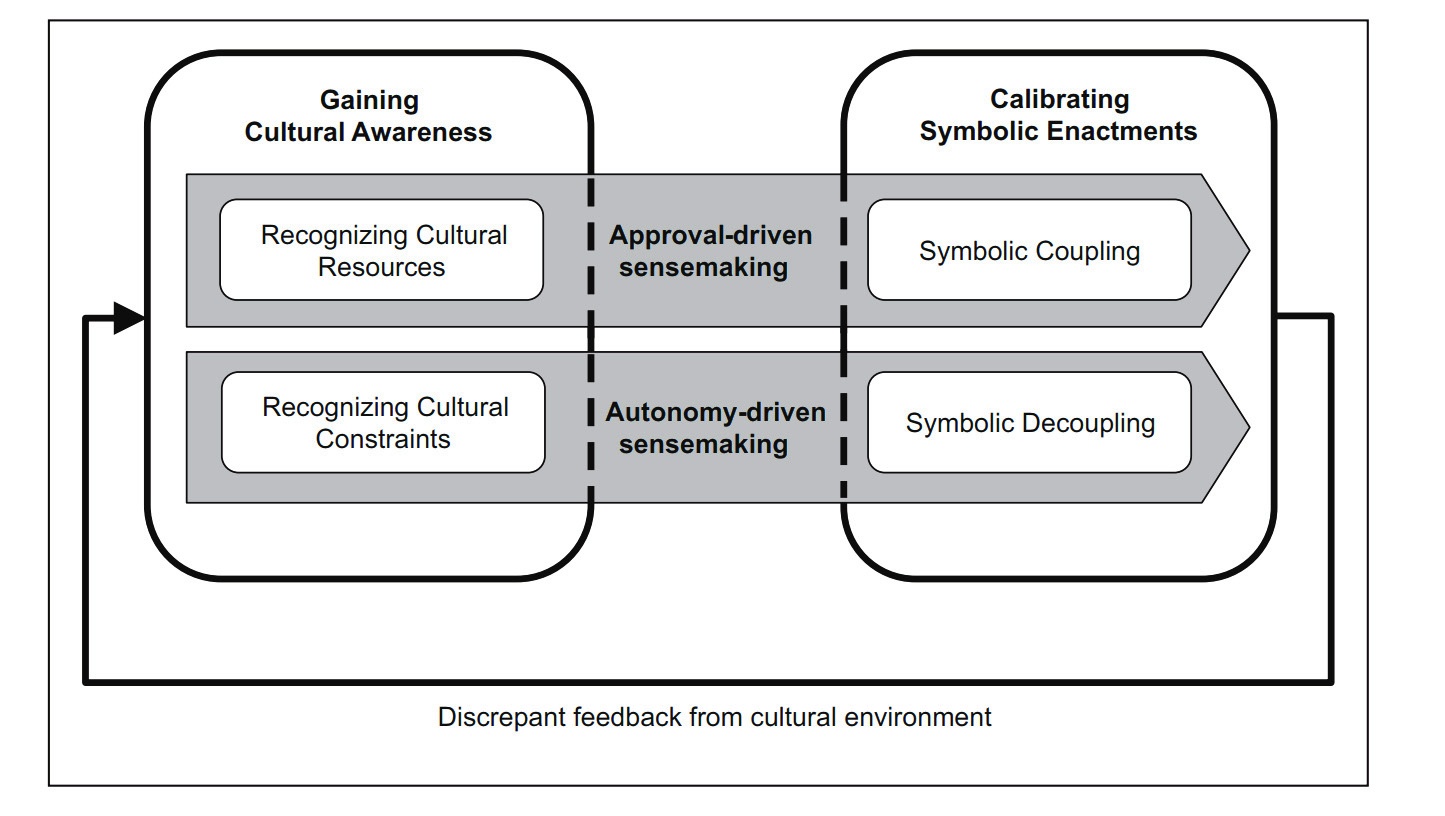
Ⅴ. Conclusion
5.1 Discussion
This study examined how HeritageUp, a South Korean startup, developed an innovative business model leveraging the waste by-products of a traditional industry—Andong Soju—to create sustainable value. Through a detailed case analysis, we illuminated how HeritageUp transformed previously discarded distillery lees into premium, gluten-free nutritional products. This process exemplifies a form of sustainable business model innovation that bridges cultural heritage with contemporary environmental and consumer values.
The venture’s success stems from a clear multidimensional value proposition—covering environmental, health, cultural, and social aspects—combined with a partnership-based ecosystem model that integrates tradition and sustainability (Bocken et al., 2014; Geissdoerfer et al., 2017). The HeritageUp case shows that even traditional sectors can foster circular-economy innovation, generating economic, environmental, and sociocultural benefits. In Korea, policy agendas increasingly support the reuse of heritage-based food by-products, and regional subsidies and infrastructure for sustainable fermentation processing further enhance ventures like HeritageUp through regulatory momentum and legitimacy.
5.2 Theoretical Implications
This case extends existing theoretical understandings of BMI, particularly within the sustainable and heritage-based entrepreneurship contexts. First, we demonstrate how circular economy-driven BMI can occur even within traditional industries through the strategic recombination of existing resources and stakeholder relationships. While prior studies often emphasize large corporations’ initiatives (e.g., material recycling schemes), HeritageUp exemplifies how a small-scale startup can establish circular business models by creatively reconfiguring regional heritage resources into new consumer value (Geissdoerfer et al., 2017; Lüdeke-Freund et al., 2019). Building on this insight, Figure 4 shows how the founder cycled between approval-driven and autonomy-driven sense-making loops—recognizing cultural resources and constraints, then symbolically coupling or decoupling them—to calibrate a venture identity that is both authentic and innovative (Überbacher et al., 2015).
Second, the findings challenge the traditional view that cultural heritage impedes innovation. Traditional industries frequently appear resistant to change; however, this study shows heritage resources can significantly enable innovation when strategically leveraged (Rindova et al., 2011). The cultural legacy of Andong Soju provided the startup with narrative authenticity and credibility, accelerating market acceptance. Our analysis thus enriches the resource-based view (RBV) in entrepreneurship, highlighting intangible cultural assets—such as heritage-based storytelling, cultural knowledge, and reputational capital—as critical sources of sustained competitive advantage (Barney, 2001).
Third, our study enhances understanding of how entrepreneurial ventures orchestrate complex stakeholder ecosystems to realize business model innovation. HeritageUp’s success hinged on creating a symbiotic partnership ecosystem—including traditional producers, universities, government agencies, and other market actors—demonstrating “systemic entrepreneurship,” in which entrepreneurs align multiple actors toward shared sustainable outcomes (Adner, 2017). The case underscores the crucial role of policy environments and regulatory contexts, suggesting adaptive policies and certification frameworks for novel, heritage-based, circular economy practices (Ghisellini et al., 2016).
Finally, our findings refine the conceptualization of sustainable value propositions. Prior research emphasizes that sustainability-oriented products often require broader consumer appeals beyond functional attributes—such as environmental, ethical, and identity-based values—to overcome consumer skepticism (Bocken et al., 2014; Chatzidakis et al., 2016). HeritageUp consciously bundled health, environmental sustainability, cultural authenticity, and social impact into a unified value proposition. Our findings empirically illustrate how integrative value propositions can help overcome the so-called “green marketing dilemma,” balancing ethical motivations with practical consumer benefits, thereby supporting premium market positioning (Chatzidakis et al., 2016).
Academically, this study enriches the dialogue between strategic management, sustainability, and cultural entrepreneurship by introducing a grounded model of “Cultural Heritage-Based Business Model Innovation (CH-BMI).” The model elucidates how traditional resources can be recombined into sustainable value networks, adding a novel dimension to resource-based and institutional perspectives. Practically, it provides a replicable blueprint for local entrepreneurs, policymakers, and cluster managers aiming to transform regional heritage industries into viable drivers of green growth. By demonstrating that circular innovation and cultural authenticity are not mutually exclusive but mutually reinforcing, this study offers actionable insights for designing supportive policy frameworks and incubation programs for heritage-based startups.
5.3 Managerial Implications
This case provides several practical implications for entrepreneurs, managers, and policymakers. Entrepreneurs can identify similar opportunities by examining local heritage industries and their associated waste streams, using HeritageUp’s model as a replicable pathway. Crucially, the case highlights the importance of storytelling in reshaping consumer perceptions of foods derived from traditional by-products, emphasizing authenticity, transparency, and well-crafted communication strategies.
Moreover, the findings suggest the benefits of collaborative innovation. Heritage-based startups should actively pursue strategic alliances with traditional incumbents rather than merely treating them as suppliers. Such symbiotic partnerships enhance credibility, lower costs, and foster regional economic revitalization (Shepherd & Patzelt, 2011). Managers must approach legacy actors as genuine stakeholders, fostering mutually beneficial relationships rather than transactional engagements. Specifically, local governments could introduce targeted policies such as subsidies for startups engaged in heritage resource upcycling, infrastructure support for hygienic and sustainable processing facilities, and certification programs validating sustainability and cultural authenticity of products.
For policymakers, HeritageUp illustrates that well-designed support frameworks—combining R&D grants, university partnerships, and adaptive regulatory approaches—can significantly catalyze heritage-based circular economy ventures. Regions rich in cultural resources might initiate incubators or innovation clusters specifically targeting sustainable heritage entrepreneurship, generating multidimensional local impacts (Lüdeke-Freund et al., 2019).
5.4 Limitations and Future Research
Despite rich, context-specific insights, a single-case design limits statistical generalizability; we therefore emphasize analytical generalization and propose comparative extensions across cultural contexts. While this research centers on a single contextualized case, its insights can extend beyond the Andong region through analytical generalization rather than statistical inference. The theoretical mechanisms identified—such as heritage-based resource recombination, circular partnership ecosystems, and multidimensional value creation—are not confined to the Korean context but can inform other traditional sectors that face similar challenges of sustainability and renewal (Koo, Ha, & Jeon, 2025).
For instance, comparative research could examine how parallel upcycling ventures in sake brewing (Japan), craft cheese-making (Europe), or indigenous fermentation industries (Southeast Asia) adopt or diverge from the “Cultural Heritage-Based BMI” framework proposed in this study. Such cross-cultural comparisons would enable refinement of transferable principles and boundary conditions for heritage-driven innovation. Therefore, future studies should incorporate comparative analyses across multiple cultural contexts and industries. Examining similar heritage-based upcycling ventures in diverse regional and cultural settings can further validate our findings and identify universally applicable factors critical to sustainable innovation. Such comparative work will significantly enhance the external validity and broader applicability of our proposed Cultural Heritage-Based BMI framework.
Future research could also rigorously investigate consumer perceptions regarding the interaction of heritage authenticity, sustainability attributes, and nutritional benefits. This research may employ life cycle assessment (LCA) frameworks to compare the environmental performance of heritage-based upcycled products with conventional health food alternatives, offering empirical validation for sustainability claims. Experimental or survey-based research designs could clarify consumer decision-making factors, willingness to pay,and specific elements driving consumer acceptance of heritage-based, upcycled products, thereby providing deeper practical and theoretical insights.
Longitudinal research following HeritageUp’s evolution over time would also offer insights into the scalability, adaptability, and institutional legitimacy of such business models. Investigating how different policy environments shape the viability of heritage-based circular innovation could help scholars and practitioners identify best practices for ecosystem design and regulatory alignment. Such work would meaningfully extend the validity and global relevance of our findings.
Reframing Cultural Heritage for Sustainability: A Theoretical Case Study of Strategic Business Innovation through Upcycling
1. Synopsis
This case study explores the business model innovation of HeritageUp, a Korean startup that transforms Andong Soju lees (a traditional fermentation by-product known as sul-jigemi) into high-value, gluten-free food products. Located in Andong, a region renowned for its deep cultural heritage and traditional distilling techniques, the case highlights how the startup strategically leveraged a heritage industry’s waste into a resource for sustainable entrepreneurship and market differentiation. The key decision event centers on how HeritageUp constructed a multidimensional value proposition and circular business model to overcome market skepticism and scale its operations.
2. Learning Objectives
-
To understand how cultural heritage can serve as a strategic resource in sustainable business model innovation
-
To explore the application of circular economy principles in small-scale, heritage-based ventures
-
To evaluate how startups build legitimacy through stakeholder partnerships and narrative framing
-
To analyze how to effectively align value propositions with diverse consumer expectations (environmental, functional, cultural, social) in emerging markets
3. Target Audience and Courses
This case is suitable for graduate and upper-level undergraduate courses in entrepreneurship, business model innovation, sustainable business / circular economy, strategic management, and cultural & creative industries. It is particularly valuable for students interested in sustainability, social innovation, and the intersection of tradition and modern enterprise.
4. Case Questions
-
How did HeritageUp successfully identify and extract new value from a previously discarded by-product (soju lees)?
-
What are the strategic challenges of building a brand around cultural and environmental narratives?
-
How does the case expand the understanding of the circular economy beyond large corporations?
-
In what ways did HeritageUp’s value proposition address consumer skepticism?
-
What lessons can be drawn about stakeholder ecosystem building in heritage-based ventures?
5. Case Analyses & Key Concepts
Key frameworks and concepts that can be applied in analysis include:
-
Business Model Canvas (Osterwalder & Pigneur, 2010)
-
Circular Economy & Closed-Loop Systems (Geissdoerfer et al., 2017)
-
Value Proposition Design (Bocken et al., 2014)
-
Dynamic Capabilities & Resource Recombination (Teece, 2010)
-
Cultural Entrepreneurship & Narrative Legitimacy (Rindova et al., 2011; Überbacher et al., 2015)